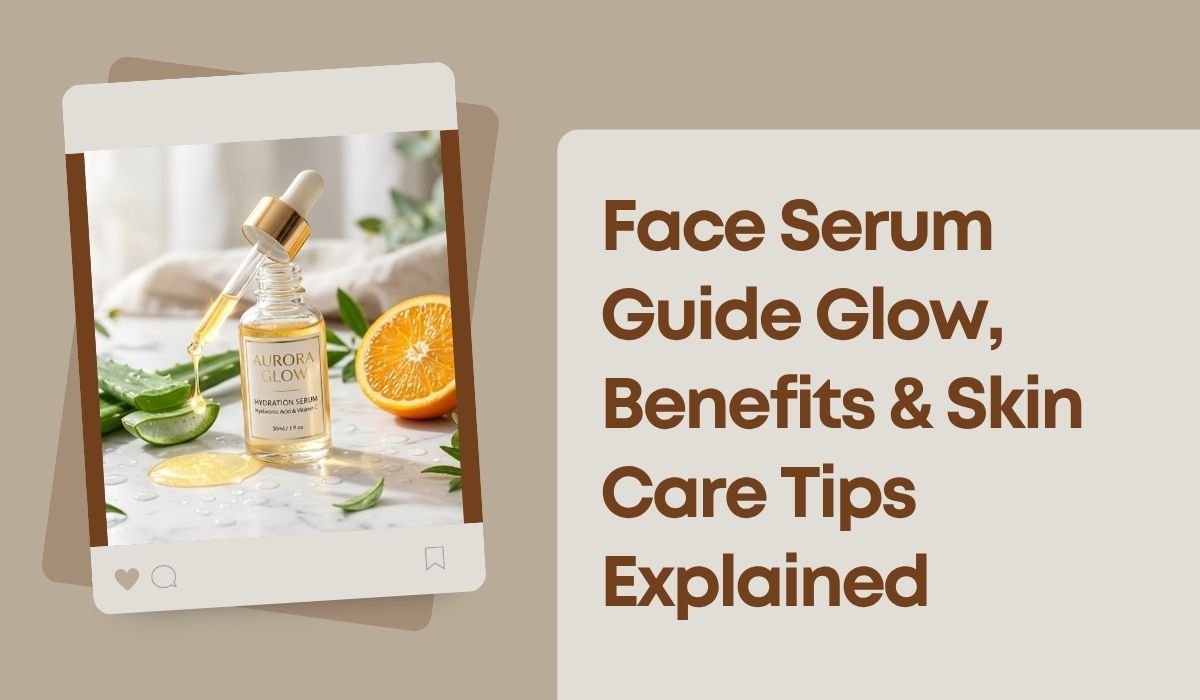
Ever wondered why some people have effortlessly glowing, glass-like skin? The secret often lies in one powerful step—face serum. Unlike heavy creams, serums are lightweight, fast-absorbing, and packed with concentrated ingredients that target real skin concerns like acne, dullness, and aging.
Whether you struggle with dryness, pigmentation, or oily skin, the right face serum can completely transform your skincare routine.
Key Takeaways
- Face serum delivers active ingredients deep into the skin for faster results
- Different serums target different concerns—acne, glow, hydration, anti-aging
- Lightweight formulas make serums suitable for all skin types
- Using the wrong serum can worsen skin issues—choose wisely
- Consistency is the real secret to visible skin improvement
What Is a Face Serum and Why Is It So Powerful?
A face serum is a highly concentrated skincare product designed to penetrate deeper layers of the skin.
Why it works:
- Smaller molecules = deeper absorption
- High concentration of active ingredients
- Targets specific skin problems
“Think of a serum as a treatment, not just a moisturizer—it works beneath the surface.”
What Problems Does Face Serum Actually Solve?
Face serums are not just hype—they are problem-solvers.
Common Skin Issues Solved:
- Acne & breakouts
- Dark spots & pigmentation
- Fine lines & wrinkles
- Dryness & dehydration
- Uneven skin tone
Common Mistake:
Using random serums without understanding your skin type can cause:
- Breakouts
- Irritation
- No visible results
Which Face Serum Is Right for Your Skin Type?
Choosing the right serum is everything.
Face Serum Comparison Table
| Skin Type | Best Serum Type | Key Ingredient | Benefit |
|---|---|---|---|
| Oily Skin | Niacinamide Serum | Niacinamide | Controls oil, reduces acne |
| Dry Skin | Hyaluronic Serum | Hyaluronic Acid | Deep hydration |
| Dull Skin | Vitamin C Serum | Vitamin C | Brightens & adds glow |
| Acne-Prone Skin | Salicylic Serum | Salicylic Acid | Clears pores |
| Aging Skin | Retinol Serum | Retinol | Reduces wrinkles |
How Do You Use Face Serum Correctly?
Even the best serum fails if used incorrectly.
Step-by-Step Routine:
- Cleanse your face
- Apply toner (optional)
- Take 2–3 drops of serum
- Gently pat (don’t rub)
- Follow with moisturizer
- Use sunscreen (morning routine)
Pro Tip:
- Use serum twice daily for best results
- Never mix strong actives randomly
What Are the Benefits of Using Face Serum Daily?
Visible Benefits:
- Faster skin repair
- Brighter complexion
- Smooth texture
- Reduced acne & marks
- Youthful glow
“A good serum doesn’t just sit on your skin—it changes it.”
Are There Any Side Effects of Face Serum?
Yes—if misused.
Possible Issues:
- Overuse → irritation
- Wrong ingredient → breakouts
- Mixing actives → skin damage
Safe Usage Tips:
- Always patch test
- Start with low concentration
- Follow a simple routine
Real-Life Example: How Face Serum Changed Skin
Riya, a 24-year-old student, struggled with acne and dull skin. After switching to a niacinamide serum, she noticed:
- Reduced oil in 2 weeks
- Fewer breakouts in 1 month
- Clearer skin in 6 weeks
Consistency not expensive products made the difference.
How Is Face Serum Different from Moisturizer?
| Feature | Face Serum | Moisturizer |
|---|---|---|
| Texture | Lightweight | Thick |
| Purpose | Treatment | Hydration |
| Absorption | Deep | Surface level |
| Ingredients | Concentrated actives | Basic hydrating agents |
Both are essential—but serve different roles.
What Ingredients Should You Look For?
Top Ingredients:
- Vitamin C → glow
- Hyaluronic Acid → hydration
- Niacinamide → oil control
- Retinol → anti-aging
- Salicylic Acid → acne
Why Face Serum Works Faster Than Regular Skincare Products
Face serum is not just another skincare step—it’s a high-performance treatment designed to deliver results quickly. Unlike creams that sit on the surface, serums penetrate deeper layers of the skin due to their lightweight molecular structure. This allows active ingredients like Vitamin C, Niacinamide, and Hyaluronic Acid to work more effectively.
What makes serum powerful is its high concentration of actives. Even a few drops can target issues like dullness, pigmentation, and fine lines. That’s why dermatologists often recommend adding a serum before moisturizer for visible improvement in skin texture.
How to Choose the Right Face Serum for Your Skin Type
Choosing the wrong serum is one of the most common skincare mistakes. Every skin type has different needs, and using a mismatch can lead to breakouts or irritation.
For oily skin, Niacinamide serum helps control excess oil and reduces acne. For dry skin, Hyaluronic Acid serum deeply hydrates and locks moisture. If your concern is dullness or dark spots, Vitamin C serum is ideal for brightening and evening out skin tone.
The golden rule: Always match your serum with your skin concern, not trends.
When and How to Apply Face Serum for Best Results
Timing and application technique matter as much as the product itself. The best time to use face serum is right after cleansing your face, when your skin is slightly damp and ready to absorb active ingredients.
Apply 2–3 drops of serum and gently pat it into your skin—never rub harshly. Follow it up with a moisturizer to seal in the ingredients. In the daytime, always finish with sunscreen to protect your skin from UV damage and prevent reverse effects.
Consistency is key—most serums show visible results in 2 to 6 weeks of regular use.
Common Mistakes People Make While Using Face Serum
Many people don’t get results from serums simply because they use them incorrectly. One major mistake is layering too many active ingredients at once, which can irritate the skin instead of improving it.
Another common issue is inconsistent usage—skipping serum breaks the treatment cycle and slows down results. Also, applying serum on dry, unclean skin reduces absorption and effectiveness.
Expert tip: Keep your routine simple—cleanse, serum, moisturize, protect. That’s it.
Face Serum Ingredients You Should Look For in 2026
The effectiveness of a face serum depends entirely on its ingredients. In today’s skincare market, not all serums are equal—some are packed with powerful actives, while others are just marketing-heavy formulas.
Look for ingredients like Vitamin C for glow and pigmentation control, Niacinamide for oil balance and acne reduction, and Hyaluronic Acid for deep hydration. For anti-aging concerns, Retinol helps improve fine lines and skin texture over time. Natural extracts like aloe vera and green tea also add soothing benefits for sensitive skin.
The smarter you read ingredients, the better your skin results will be.
Can Face Serum Replace Moisturizer? (Truth Explained)
A very common skincare confusion is whether face serum can replace moisturizer. The simple answer is no. Both serve completely different roles in your skincare routine.
Face serum is a treatment product that targets specific skin concerns like acne, dullness, or aging. Moisturizer, on the other hand, locks in hydration and protects your skin barrier. Without moisturizer, the active ingredients in serum can evaporate or lose effectiveness.
Think of serum as the “treatment step” and moisturizer as the “sealing step.”
Who Should Use Face Serum and When to Start?
Face serum is suitable for almost every skin type and age group—but the choice of serum changes over time. People in their early 20s can start with hydrating or glow-boosting serums, while concerns like pigmentation or acne can be addressed with targeted formulas.
In your 30s and beyond, serums with anti-aging ingredients like retinol or peptides become more important. Even teenagers dealing with acne can benefit from mild niacinamide or salicylic acid-based serums.
The right serum at the right age can prevent long-term skin damage and maintain healthy skin early.
FAQs
Can I use face serum daily?
Yes, most serums are safe for daily use if suited to your skin type.
Which age is best to start using serum?
You can start from your early 20s depending on skin concerns.
Can I skip moisturizer after serum?
No, moisturizer locks in the serum and prevents dryness.
How long does serum take to work?
Visible results usually appear within 2–6 weeks.
Is face serum good for oily skin?
Yes, lightweight serums like niacinamide are perfect for oily skin.
Final Thoughts
Face serum is no longer optional it’s essential. In a world full of pollution, stress, and fast-paced lifestyles, your skin needs targeted care. The right serum can be your shortcut to healthier, glowing skin but only if chosen and used wisely.
Discover trending fashion, skincare & lifestyle tips only at dhawansuits.com.