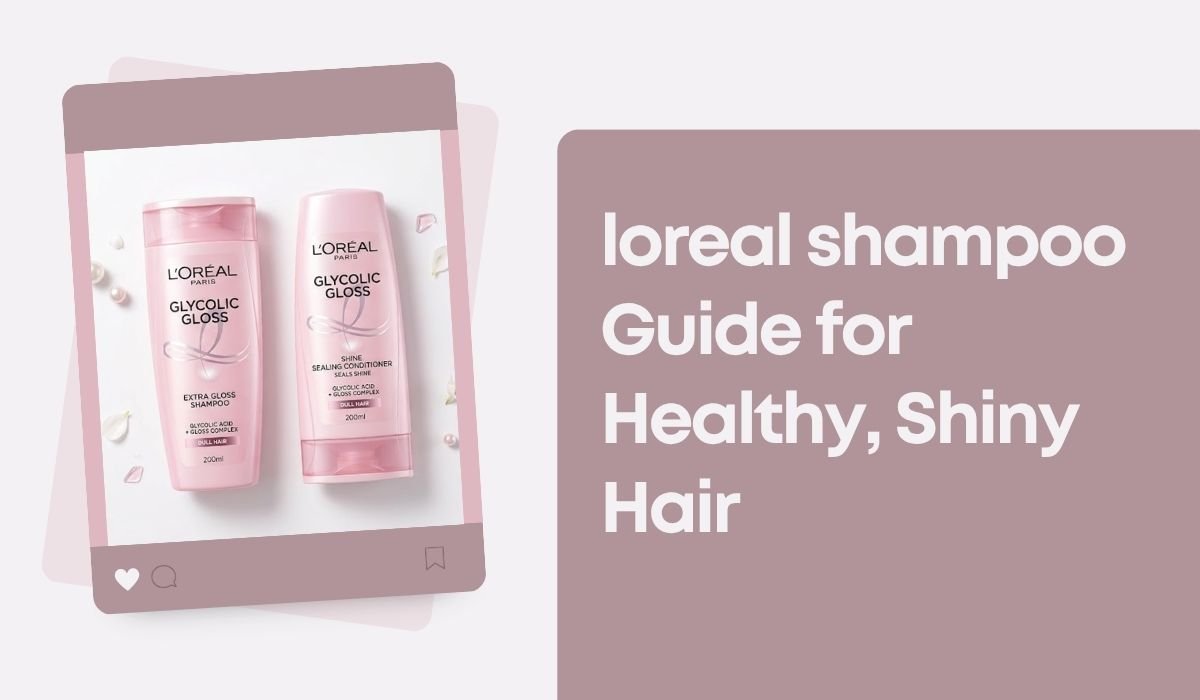
Struggling with hair fall, dryness, frizz, or dullness? You’re not alone. The right shampoo can quietly transform your hair—and that’s where loreal shampoo steps in. Known for blending science with beauty, loreal shampoo promise targeted solutions for real hair concerns.
Right from the first wash, the difference often feels subtle then suddenly obvious.
Key Takeaways
- loreal shampoos target specific hair concerns like hair fall, dandruff, and damage
- Advanced formulas with keratin, arginine, and hyaluronic acid repair and nourish
- Affordable salon-like results at home
- Suitable for Indian hair types and climates
- Consistent use shows visible improvement in 2–4 weeks
Why Is loreal Shampoo So Popular?
loreal isn’t just another shampoo brand it’s backed by decades of research.
✔ What sets it apart:
- Scientifically developed formulas
- Wide range for every hair type
- Easily available and budget-friendly
- Trusted by professionals
“Healthy hair starts with the right cleansing routine—everything else builds on that.”
Which loreal Shampoo Is Best for Your Hair Type?
Choosing blindly is where most people go wrong. Here’s a quick breakdown:
| Hair Concern | Best loreal Range | Key Ingredient | Result |
|---|---|---|---|
| Hair Fall | Fall Resist 3X | Arginine | Stronger roots |
| Dry Hair | Extraordinary Oil | 6 Oil Blend | Deep nourishment |
| Damaged Hair | Total Repair 5 | Keratin | Repair & smoothness |
| Frizzy Hair | Smooth Intense | Silk Protein | Frizz control |
| Dull Hair | Hyaluron Moisture | Hyaluronic Acid | Hydration & shine |
Does loreal Shampoo Really Reduce Hair Fall?
Yes—but with a condition.
Hair fall isn’t caused by shampoo alone. Stress, diet, and scalp health matter too. However, loreal’s Fall Resist range strengthens weak roots and reduces breakage.
What it does:
- Improves scalp health
- Strengthens hair fiber
- Reduces breakage-related hair fall
What it doesn’t do:
- Stop hormonal hair loss completely
Can loreal Shampoo Fix Dry and Damaged Hair?
Absolutely—if you pick the right variant.
Dry hair needs moisture. Damaged hair needs repair.
For dry hair:
- Go for oil-based or hydrating shampoos
- Look for “moisture” or “nourish” labels
For damaged hair:
- Choose keratin or protein-based formulas
- Pair with conditioner or hair mask
What Are the Common Problems People Face with Shampoos?
Let’s address the real concerns most users have:
Problem: Hair feels rough after washing
✔ Solution: Use sulfate-balanced variants + conditioner
Problem: Increased hair fall after switching
✔ Solution: Give 2–3 weeks for scalp adjustment
Problem: Greasy scalp next day
✔ Solution: Avoid over-conditioning roots
Problem: No visible results
✔ Solution: Wrong shampoo choice for your hair type
How to Use loreal Shampoo for Best Results?
A simple tweak in your routine can change everything.
Expert routine:
- Wet hair thoroughly
- Take a coin-sized amount
- Massage gently into scalp (not nails!)
- Rinse well
- Repeat if needed
- Always follow with conditioner
“Shampoo cleans your scalp; conditioner protects your strands.”
Real-Life Example What Happens After 30 Days?
Riya, a 26-year-old working professional, struggled with frizzy, dry hair due to pollution and heat styling.
She switched to loreal Extraordinary Oil Shampoo.
After 2 weeks:
- Hair felt softer
- Reduced frizz
After 4 weeks:
- Noticeable shine
- Easier styling
- Less breakage
Consistency—not miracles—created results.
Is loreal Shampoo Safe for Daily Use?
Yes, but moderation matters.
Safe if:
- You use mild or hydrating variants
- Your scalp is oily
Avoid daily use if:
- You have dry or chemically treated hair
Best practice: 2–3 times per week
How Do You Choose the Right L’Oréal Shampoo for Your Routine?
Picking a shampoo isn’t about trends—it’s about understanding your hair’s current condition. Your scalp type, lifestyle, and even weather play a role. If you live in humid or dusty environments, your scalp may need frequent cleansing, while dry climates demand hydration-focused formulas. Start by identifying whether your hair feels oily, dry, or damaged—and choose accordingly instead of following generic recommendations.
What Ingredients Should You Look for in L’Oréal Shampoo?
The magic lies in the ingredients. L’Oréal shampoos are enriched with targeted actives that solve specific problems. Look for keratin to repair damaged strands, arginine to strengthen roots, and hyaluronic acid for deep hydration. Natural oils help restore shine, while mild cleansing agents ensure your scalp stays clean without stripping essential moisture. Reading the label can save you from months of trial and error.
How Often Should You Switch Your Shampoo?
Contrary to popular belief, you don’t need to frequently change your shampoo unless your hair condition changes. If your current L’Oréal shampoo is working—stick with it. However, seasonal changes, hair treatments (like coloring or smoothening), or increased hair fall may require a switch. Listen to your hair; it often signals what it needs before damage becomes visible.
Can L’Oréal Shampoo Improve Overall Hair Health Long-Term?
Yes, when used consistently and paired with the right routine. Shampoo alone won’t fix everything, but it lays the foundation for healthier hair. Over time, you’ll notice improved texture, reduced breakage, and better manageability. Combine it with a balanced diet, minimal heat styling, and proper conditioning—and your hair won’t just look better, it will actually become stronger from within.
Does L’Oréal Shampoo Help with Dandruff and Scalp Issues?
Yes—if you choose the right variant. Scalp problems like dandruff, itchiness, or buildup often come from imbalance rather than dryness alone. Certain L’Oréal shampoos are designed to gently cleanse the scalp while maintaining its natural barrier. With regular use, they help reduce flakes, soothe irritation, and restore a healthier scalp environment—without over-drying your hair.
Is Expensive Shampoo Always Better Than L’Oréal?
Not necessarily. Price doesn’t always equal performance. L’Oréal strikes a balance between affordability and advanced formulation, making it accessible without compromising results. Many high-end shampoos use similar core ingredients, but L’Oréal delivers them in a more budget-friendly way. The key is not how expensive your shampoo is—but how well it suits your hair type.
What Mistakes Should You Avoid While Using L’Oréal Shampoo?
Even the best shampoo can fail if used incorrectly. One common mistake is applying too much product, which can lead to buildup instead of cleanliness. Another is skipping conditioner, leaving hair rough and prone to damage. Also, avoid washing with very hot water—it strips natural oils and weakens strands. A gentle, balanced routine ensures you get the maximum benefit from your shampoo.
FAQs
Is loreal shampoo good for hair?
Yes, loreal shampoos are effective for different hair concerns due to their scientifically formulated ingredients.
Which loreal shampoo is best for hair fall?
loreal Fall Resist 3X is ideal for reducing breakage-related hair fall.
Can loreal shampoo damage hair?
No, but using the wrong variant or over-washing can lead to dryness.
Is loreal shampoo suitable for all hair types?
Yes, there are specific variants designed for every hair type and concern.
How long does it take to see results?
Visible improvements usually appear within 2–4 weeks of consistent use.
Final Thoughts
If your hair routine feels like a guessing game, loreal brings structure to the chaos. It doesn’t promise overnight miracles—but it delivers steady, visible improvement.
The real secret? Choosing the right variant—and sticking with it.
Transform your hair care routine with expert-backed beauty insights at Dhawan Suits where fashion meets flawless hair.