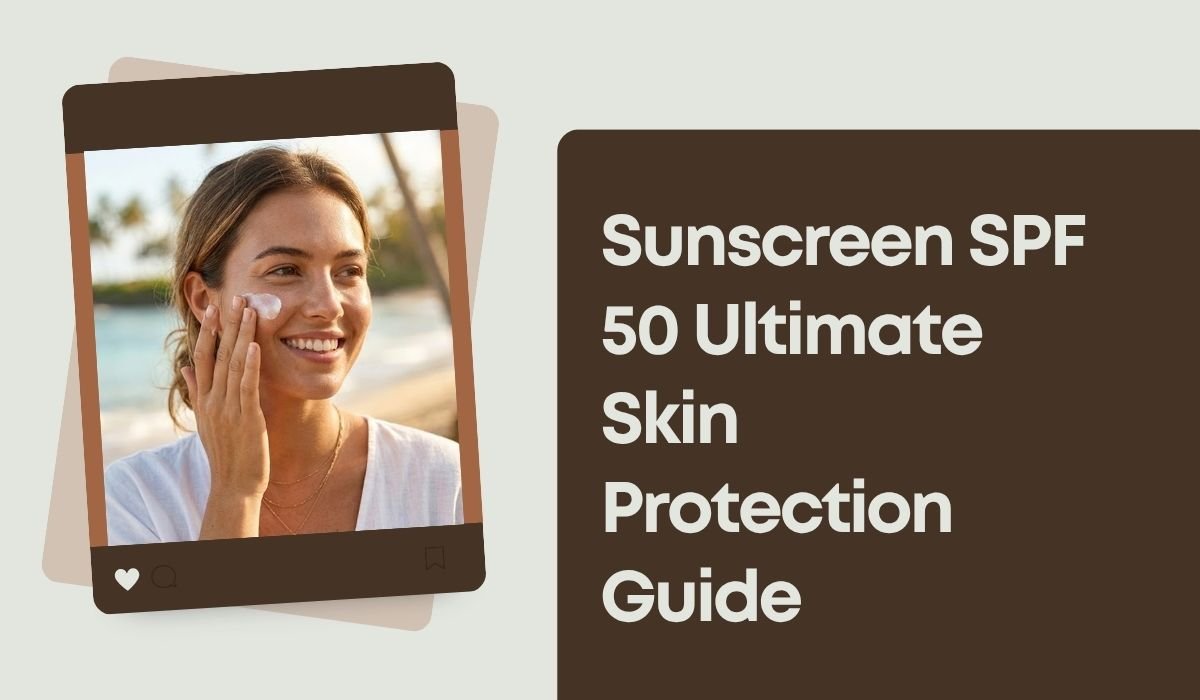
You might think applying sunscreen once is enough—but the truth is, most people are unknowingly damaging their skin every single day. From tanning and pigmentation to premature aging and even skin cancer, sun exposure is one of the biggest hidden threats to your skin.
That’s where sunscreen SPF 50 becomes your ultimate defense. It doesn’t just protect it preserves your skin’s youth, glow, and health.
Key Takeaways
- SPF 50 blocks about 98% of harmful UVB rays, offering high-level protection
- Prevents tanning, pigmentation, and premature aging effectively
- Suitable for Indian climate and harsh sun exposure
- Needs reapplication every 2–3 hours for maximum effectiveness
- Works for all skin types when chosen correctly
What Is Sunscreen SPF 50 and Why Does It Matter?
Sunscreen SPF 50 is a skincare product designed to protect your skin from harmful ultraviolet (UV) rays, especially UVB rays that cause sunburn.
SPF (Sun Protection Factor) measures how well a sunscreen protects against UVB rays.
Expert Insight:
“Daily sunscreen use is the most effective anti-aging step you can take more than any serum or cream.”
How Does SPF 50 Protect Your Skin?
SPF 50 acts like a protective shield by either absorbing or reflecting UV rays before they damage your skin cells.
What It Protects You From:
- Sunburn
- Dark spots & pigmentation
- Wrinkles & fine lines
- Uneven skin tone
- Skin cancer risk
SPF 30 vs SPF 50 Which One Should You Choose?
| Feature | SPF 30 | SPF 50 |
|---|---|---|
| UVB Protection | 97% | 98% |
| Ideal for | Mild sun exposure | Strong sun exposure |
| Skin Type | Normal to dry skin | All skin types |
| Usage | Indoor/light outdoor | Outdoor/heavy sun |
Conclusion: SPF 50 gives better protection, especially in hot climates like India.
How to Apply Sunscreen SPF 50 Correctly?
Most people don’t use sunscreen properly—and that reduces its effectiveness.
Correct Application Steps:
- Apply 15–20 minutes before stepping out
- Use two-finger rule for face and neck
- Don’t forget ears, hands, and feet
- Reapply every 2–3 hours
- Use even on cloudy days
Common Sunscreen Mistakes You Must Avoid
- Applying too little product
- Skipping reapplication
- Using sunscreen only in summer
- Ignoring indoor UV exposure
- Not checking expiration date
Which Sunscreen SPF 50 Is Best for Your Skin Type?
Oily Skin:
- Gel-based or matte sunscreen
- Oil-free formula
Dry Skin:
- Cream-based sunscreen
- Hydrating ingredients like hyaluronic acid
Sensitive Skin:
- Mineral sunscreen with zinc oxide
- Fragrance-free formulas
Real-Life Example Why SPF 50 Matters
Riya, a 28-year-old working professional, used to skip sunscreen thinking her indoor job kept her safe. Within a year, she noticed pigmentation and uneven skin tone.
After switching to daily SPF 50 sunscreen, her skin improved drastically—fewer dark spots, smoother texture, and healthier glow.
Lesson: Sun damage is silent but powerful.
What Ingredients Should You Look For?
- Zinc Oxide (Physical protection)
- Titanium Dioxide
- Avobenzone
- Hyaluronic Acid (hydration)
- Vitamin C (brightening)
Is Sunscreen SPF 50 Safe for Daily Use?
Yes! Dermatologists recommend using SPF 50 daily.
Safe for:
- Men and women
- All skin tones
- Teenagers & adults
- Daily indoor & outdoor use
Do You Need Sunscreen Indoors?
Absolutely YES.
UV rays can pass through:
- Windows
- Glass doors
- Screens
Even blue light from devices can affect skin.
Sunscreen Types Comparison
| Type | Best For | Texture | Finish |
|---|---|---|---|
| Gel Sunscreen | Oily skin | Lightweight | Matte |
| Cream Sunscreen | Dry skin | Thick | Hydrating |
| Spray Sunscreen | Quick use | Mist | Light |
| Stick Sunscreen | Travel | Solid | Smooth |
Why Is Sunscreen SPF 50 a Must in Indian Weather?
India’s climate exposes your skin to intense sunlight almost all year round. Whether it’s summer heat, humid monsoon days, or even mild winters, UV rays remain strong and harmful. Using sunscreen SPF 50 ensures your skin stays protected against harsh environmental damage like tanning, sunburn, and pigmentation.
Additionally, pollution combined with sun exposure can accelerate skin aging. A high-protection sunscreen acts as a barrier, keeping your skin healthier, brighter, and more even-toned over time.
Can Sunscreen SPF 50 Be Used Under Makeup?
Absolutely! In fact, sunscreen SPF 50 works perfectly as a base under makeup. Many modern sunscreens come with lightweight, non-greasy formulas that blend easily into the skin without leaving a white cast.
For best results:
- Apply sunscreen first and let it absorb for a few minutes
- Follow with primer, foundation, or BB cream
- Choose matte sunscreen if you have oily skin
This not only protects your skin but also helps your makeup last longer and look smoother.
How to Remove Sunscreen Properly at Night?
Removing sunscreen is just as important as applying it. Since sunscreen SPF 50 forms a protective layer on your skin, it needs proper cleansing to avoid clogged pores and breakouts.
Follow This Routine:
- Start with an oil-based cleanser or micellar water
- Follow up with a gentle face wash (double cleansing)
- Apply toner and moisturizer afterward
This ensures your skin remains clean, fresh, and ready to repair overnight.
What Happens If You Don’t Use Sunscreen SPF 50 Daily?
Skipping sunscreen may not show immediate damage, but over time, it can lead to serious skin issues. Without sunscreen SPF 50, your skin is directly exposed to harmful UV rays that silently damage skin cells.
Long-Term Effects:
- Early wrinkles and fine lines
- Dark spots and uneven skin tone
- Loss of natural glow
- Increased risk of skin damage
Consistency is key—daily sunscreen use can make a visible difference in your skin’s health and appearance.
How Much Sunscreen SPF 50 Should You Actually Use?
One of the most common mistakes people make is not applying enough sunscreen SPF 50. Using too little significantly reduces its effectiveness, leaving your skin vulnerable.
Right Amount:
- Use the two-finger rule for face and neck
- About a shot glass amount for full body
- Apply evenly without missing areas
Proper quantity ensures you get the full SPF 50 protection mentioned on the product.
Is Sunscreen SPF 50 Waterproof or Sweat-Proof?
Many people assume their sunscreen SPF 50 stays effective all day, but that’s not entirely true. While some sunscreens are labeled water-resistant, they still wear off with sweat, swimming, or towel drying.
What You Should Do:
- Reapply after swimming or sweating
- Check for labels like “water-resistant (40/80 minutes)”
- Always carry sunscreen when outdoors
No sunscreen is 100% waterproof—reapplication is essential.
Does Sunscreen SPF 50 Help in Anti-Aging?
Yes, sunscreen SPF 50 is one of the most powerful anti-aging products you can use—more effective than many expensive creams.
How It Helps:
- Prevents collagen breakdown
- Reduces fine lines and wrinkles
- Protects skin elasticity
- Maintains youthful glow
Think of sunscreen as your daily anti-aging shield simple, affordable, and incredibly effective.
FAQs
Is SPF 50 too much for daily use?
No, SPF 50 is safe and recommended for better protection, especially in sunny climates.
Can I skip moisturizer if I use sunscreen?
Some sunscreens are hydrating, but it’s best to use moisturizer for complete skincare.
How long does SPF 50 last?
It lasts about 2–3 hours, after which reapplication is needed.
Does sunscreen prevent tanning completely?
It reduces tanning significantly but may not block it 100%.
Can men use sunscreen SPF 50?
Yes, sunscreen is essential for everyone regardless of gender.
Final Thoughts
Sunscreen SPF 50 is not just a product it’s a daily habit that protects your skin from long-term damage. Whether you’re stepping out or staying indoors, applying sunscreen is the simplest yet most powerful skincare step.
Healthy skin is not about expensive products it’s about consistent protection.
Protect your skin daily with the best skincare essentials at Dhawan Suits your destination for glowing, healthy, and stylish living