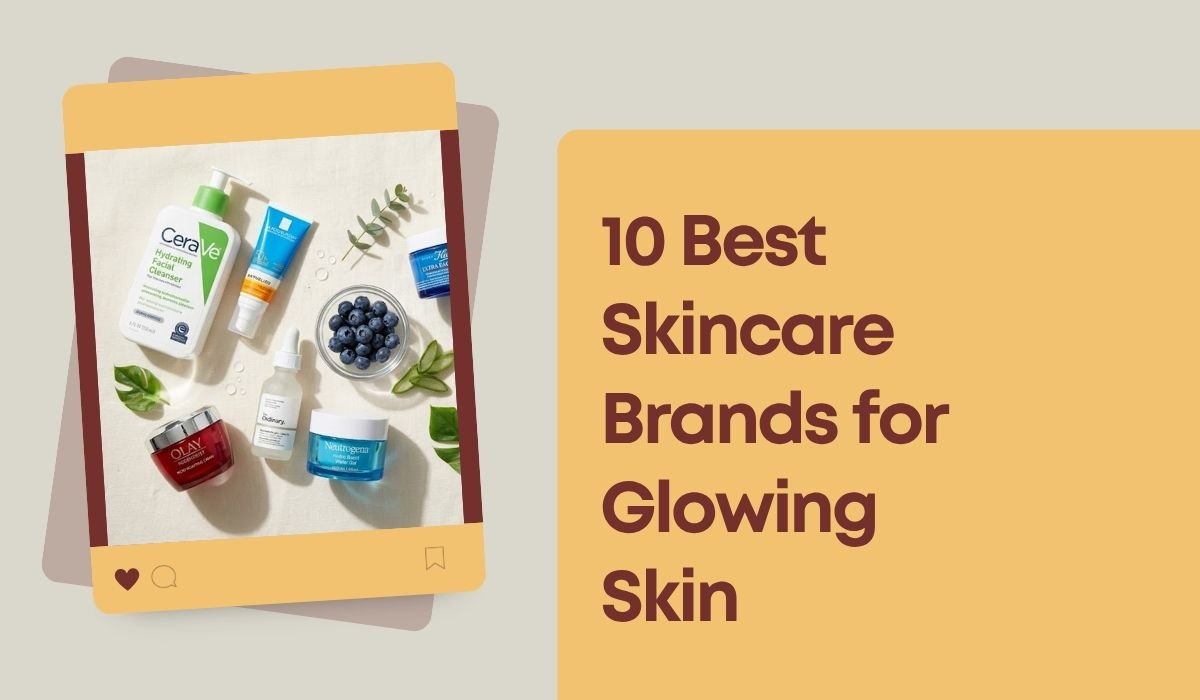
Healthy, glowing skin isn’t just about luck it’s about choosing the right skincare brands that suit your skin type, concerns, and lifestyle. With thousands of options in the market, finding the best skincare brands can feel overwhelming. But fear not! We’ve done the expert research so you can make informed decisions and elevate your skincare routine effortlessly.
Key Takeaways
- Top-rated skincare brands deliver visible results and are dermatologist-approved.
- Ingredients matter: Look for science-backed formulations like hyaluronic acid, niacinamide, and antioxidants.
- Tailored solutions: Different brands specialize in different skin concerns (acne, aging, hydration, sensitivity).
- Trusted real-life experiences help you avoid hype and focus on what works.
- Budget vs luxury: Effective skincare doesn’t always mean expensive choose wisely.
What Are the Best Skincare Brands for All Skin Types?
When it comes to universal appeal, certain Best Skincare Brands have consistently delivered quality across all skin types:
- CeraVe – Developed with dermatologists, perfect for sensitive and dry skin.
- La Roche-Posay – Ideal for acne-prone and reactive skin, known for thermal spring water formulations.
- Neutrogena – Affordable, widely available, with solutions for anti-aging, acne, and hydration.
- The Ordinary – Minimalist, ingredient-focused, great for targeted skin concerns.
“The best skincare brand is one that understands your skin and consistently delivers results without compromise.” – Expert Dermatologist
Which Skincare Brands Are Best for Anti-Aging?
For those looking to fight fine lines, wrinkles, and dullness, these brands excel:
| Brand | Key Ingredients | Best For | Price Range |
|---|---|---|---|
| Olay | Retinol, Peptides | Anti-aging, Firmness | $25–$60 |
| Estée Lauder | Hyaluronic Acid, Antioxidants | Wrinkles, Hydration | $50–$150 |
| Kiehl’s | Vitamin C, Squalane | Brightening, Elasticity | $35–$80 |
| Drunk Elephant | AHAs, Antioxidants | Skin texture, Radiance | $60–$150 |
These brands combine science-backed formulas with visible results, making them favorites among dermatologists and beauty enthusiasts alike.
What Are the Best Skincare Brands for Acne-Prone Skin?
Acne is not just about oily skin; it’s a concern for all skin types. Experts recommend:
- Paula’s Choice – BHA exfoliants to unclog pores and reduce inflammation.
- La Roche-Posay Effaclar – Soothing, anti-inflammatory formulas for active acne.
- Neutrogena Oil-Free – Affordable, effective, and non-comedogenic.
Tips: Look for “non-comedogenic,” “oil-free,” and gentle exfoliating formulas to prevent breakouts.
How Do I Choose Between Luxury vs Affordable Skincare Brands?
Many people wonder if luxury brands are worth the investment. Here’s a simple guide:
Luxury Brands:
- Advanced formulations, high-end packaging
- Often clinically tested
- Best for specialized concerns
Affordable Brands:
- Accessible and effective
- Transparent ingredient lists
- Great for daily basics and preventive care
Real-life example: Many users combine The Ordinary (affordable) for targeted treatments and Estée Lauder (luxury) for anti-aging serums to balance cost and results.
What Skincare Ingredients Should I Prioritize in 2026?
Modern skincare isn’t just about brand names it’s about ingredients:
- Hyaluronic Acid – Hydration powerhouse
- Niacinamide – Reduces inflammation and pore appearance
- Retinol/Retinoids – Anti-aging and skin texture
- Vitamin C – Brightens and protects against free radicals
- Ceramides – Repair and strengthen the skin barrier
How Do I Identify My Skin Type Before Choosing a Brand?
Understanding your skin type is the first step to picking the best skincare brands. Skin can be:
- Normal: Balanced, neither too oily nor dry
- Dry: Flaky, rough, prone to irritation
- Oily: Shiny, prone to acne and large pores
- Combination: Oily in T-zone, dry elsewhere
- Sensitive: Easily reacts to products
Pro Tip: Conduct a simple “blotting test” or consult a dermatologist to identify your skin type. Brands like CeraVe and La Roche-Posay offer products for almost every type, making them safe starter options.
How Important Are Moisturizers in Your Skincare Routine?
Moisturizing is essential for every skin type. Even oily or acne-prone skin needs hydration to maintain the skin barrier.
- Benefits: Prevents dryness, reduces irritation, improves texture
- Top Picks:
- CeraVe Moisturizing Cream – Ceramides + Hyaluronic Acid
- Neutrogena Hydro Boost – Lightweight gel for all-day hydration
- Kiehl’s Ultra Facial Cream – Deep hydration with minimal greasiness
“Skipping moisturizer is one of the biggest mistakes in skincare. Hydration is the foundation for healthy skin.” – Skincare Expert
Can Best Skincare Brands Help With Dark Spots and Uneven Skin Tone?
Yes! The right brand and formulation can visibly improve pigmentation. Look for:
- Vitamin C serums – Brighten skin and fade dark spots
- Niacinamide – Evens tone and strengthens barrier
- Exfoliants (AHA/BHA) – Smoothens texture and promotes cell renewal
Brands to consider:
- The Ordinary – Affordable, ingredient-focused serums
- Paula’s Choice – Exfoliating solutions for pigmentation
- Estée Lauder – Luxury serums targeting dark spots
How Do I Build a Complete Routine With the Best Skincare Brands?
A complete skincare routine includes:
- Cleanser – Removes dirt and makeup (Neutrogena, CeraVe)
- Toner – Balances pH and prepares skin (Kiehl’s, La Roche-Posay)
- Serum/Treatment – Targeted concerns (The Ordinary, Drunk Elephant)
- Moisturizer – Hydration (CeraVe, Kiehl’s)
- Sunscreen – Protects against UV damage (La Roche-Posay, Neutrogena)
Tip: Consistency is key. Switching brands too often can irritate your skin.
Top 10 Best Skincare Brands in 2026
| # | Brand | Best For | Key Ingredients | Price Range | Standout Product |
|---|---|---|---|---|---|
| 1 | CeraVe | Sensitive/Dry | Ceramides, Hyaluronic Acid | $10–$25 | Moisturizing Cream |
| 2 | La Roche-Posay | Acne/Sensitive | Thermal Water, Niacinamide | $20–$60 | Effaclar Duo+ |
| 3 | Neutrogena | All Types | Salicylic Acid, Hyaluronic Acid | $8–$35 | Hydro Boost Gel |
| 4 | The Ordinary | Targeted Concerns | Vitamin C, Retinol | $6–$20 | Niacinamide 10% + Zinc 1% |
| 5 | Kiehl’s | Hydration & Brightening | Squalane, Vitamin C | $30–$80 | Ultra Facial Cream |
| 6 | Estée Lauder | Anti-aging | Hyaluronic Acid, Antioxidants | $50–$150 | Advanced Night Repair |
| 7 | Drunk Elephant | Sensitive/Anti-aging | AHAs, Antioxidants | $50–$150 | C-Firma Vitamin C Serum |
| 8 | Paula’s Choice | Acne/Exfoliation | BHA, AHA, Niacinamide | $20–$45 | Skin Perfecting 2% BHA Liquid |
| 9 | Olay | Anti-aging | Retinol, Peptides | $25–$60 | Regenerist Retinol 24 |
| 10 | Bioderma | Sensitive/All Skin Types | Micellar Water, Niacinamide | $15–$35 | Sensibio H2O Micellar Water |
How Does Lifestyle Affect Your Skincare Results?
Your skincare brand choice is important, but lifestyle habits amplify or hinder results. Factors like diet, sleep, stress, and hydration play a critical role.
- Hydration: Drink at least 8 glasses of water daily to help moisturizers work better.
- Sleep: Beauty sleep isn’t a myth—skin repairs itself during deep sleep.
- Diet: Antioxidant-rich foods like berries, nuts, and green tea complement anti-aging serums.
- Stress Management: High cortisol levels can trigger acne and inflammation.
Expert Tip: Combining the best skincare brands with a balanced lifestyle produces faster, long-lasting results than relying on products alone.
Are Organic or Natural Best Skincare Brands Worth It?
Natural and organic skincare is booming, but “natural” doesn’t always mean “better.”
- Look for clinically tested, allergen-free formulas.
- Popular organic-friendly brands include Burt’s Bees, Tata Harper, and Herbivore Botanicals.
- They are ideal for sensitive skin types or those looking to minimize synthetic chemicals, but always check the ingredient concentration for effectiveness.
Real-Life Example: Many users combine The Ordinary (active ingredients) with Herbivore Botanicals (hydration & soothing) for a balanced routine.
2026 Skincare Trends to Watch
The skincare industry evolves rapidly. Some trends dominating 2026 include:
- Minimalist Skincare: Fewer products, higher efficacy.
- Tech-Integrated Skincare: Smart devices for personalized routines.
- Sustainable & Cruelty-Free Brands: Eco-conscious packaging and ethical formulations.
- Ingredient Fusion: Combining science-backed actives with plant-based extracts for potent results.
Staying updated with trends helps you choose brands that are future-proof and aligned with your skin’s needs.
FAQs
Q1: Are expensive skincare brands always better?
A: Not always. Effectiveness depends on ingredients and consistency, not just price.
Q2: Can I mix different Best Skincare Brands?
A: Yes, as long as the ingredients don’t conflict (e.g., avoid retinol + strong acids at the same time).
Q3: How long before I see results?
A: Typically 4–8 weeks for noticeable improvements; patience and routine are key.
Q4: Are natural Best Skincare Brands more effective?
A: Natural products can be effective but always check concentration, formulation, and clinical testing.
Q5: Which skincare brand is best for sensitive skin?
A: CeraVe and La Roche-Posay are top picks due to gentle, dermatologist-tested formulations.
Conclusion
Choosing the best skincare brands isn’t about following trends it’s about understanding your skin, focusing on ingredients, and selecting brands that deliver reliable results. From affordable daily essentials to luxurious serums, your ideal routine should be customized for your needs.
Explore more options and elevate your skincare journey visit Dhawan Suits for expert picks and curated collections.