There are garments, and then there are emotions woven into fabric. A silk saree is not just something you wear it’s something you feel. It carries memories of weddings, festivals, milestones, and generational pride. From the gentle rustle of pure silk to the way it instantly elevates confidence, this drape has survived trends, decades, and fast fashion without ever losing relevance.
In today’s world of instant outfits and fleeting styles, choosing a silk saree is a conscious return to elegance, craftsmanship, and authenticity.
Key Takeaways
- Silk sarees are timeless: They transcend age, body type, and fashion cycles.
- Each region tells a story through weaving techniques, motifs, and silk quality.
- Investment-worthy fashion: With proper care, a silk saree lasts decades.
- Versatile styling makes it suitable for weddings, festivals, and formal events.
“A silk saree doesn’t follow trends—it becomes an heirloom.”
What Exactly Makes a Silk Saree So Special?
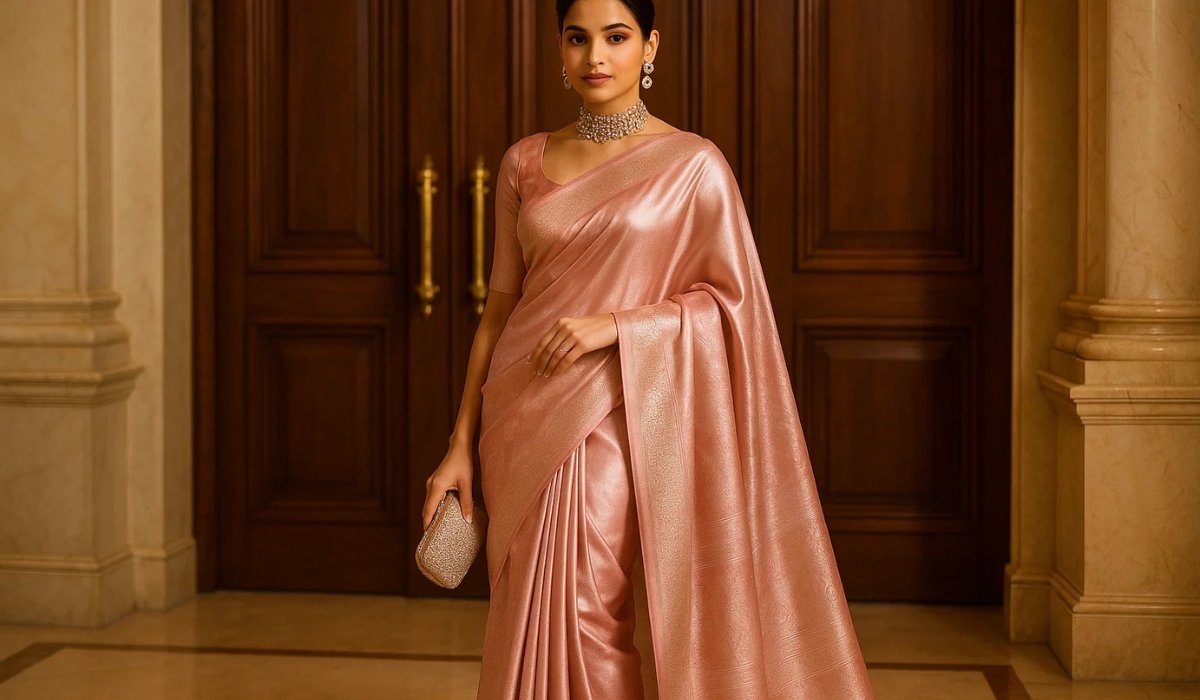
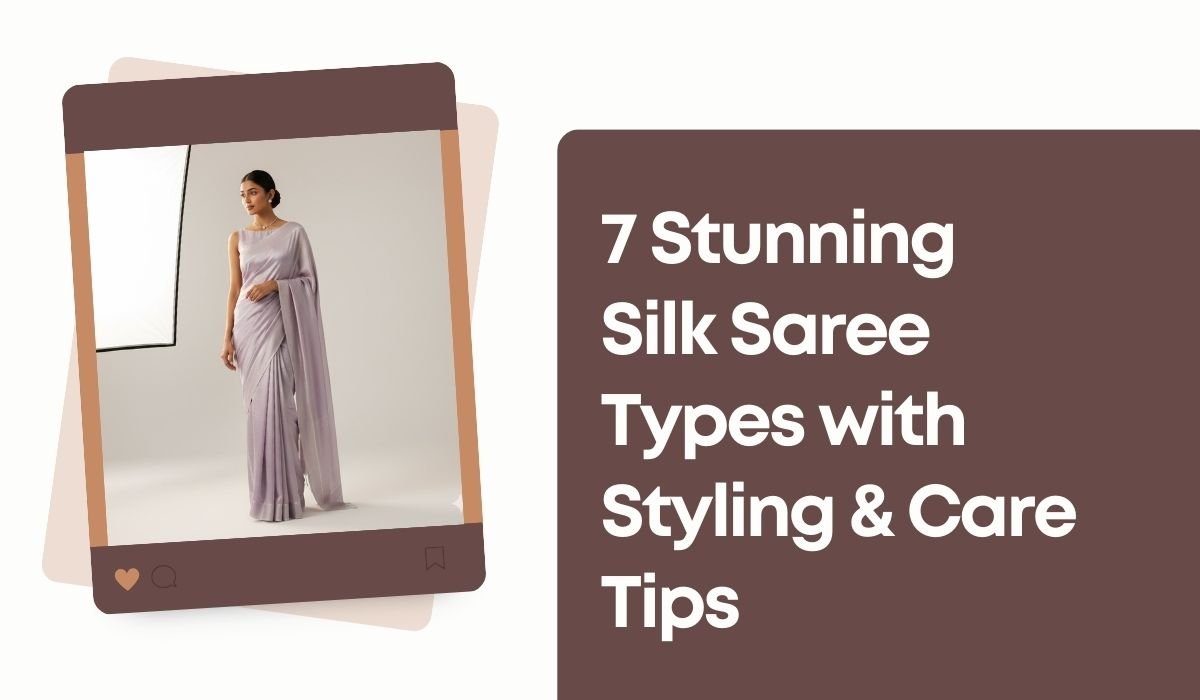
A silk saree stands apart because it combines natural luxury, handcrafted precision, and cultural storytelling. Unlike synthetic fabrics, silk adapts to your body temperature, drapes fluidly, and reflects light in a way no other fabric can.
The uniqueness lies in:
- Pure silk yarns
- Traditional handloom techniques
- Intricate zari work
- Cultural symbolism in motifs
This is why a silk saree feels regal without being loud and graceful without trying.
How Is a Silk Saree Different from Other Sarees?
Let’s simplify this with clarity.
| Feature | Silk Saree | Cotton Saree | Synthetic Saree |
|---|---|---|---|
| Fabric Origin | Natural silk fiber | Natural cotton | Man-made fibers |
| Drape | Fluid & structured | Soft & breathable | Often stiff |
| Longevity | 20–50 years (with care) | Moderate | Low |
| Occasion | Weddings, festivals, rituals | Daily wear | Casual/party |
| Value Over Time | Appreciates | Stable | Depreciates |
A silk saree is not fast fashion it’s slow, meaningful fashion.
Which Types of Silk Sarees Are Most Popular in India?
India’s weaving heritage is incredibly rich. Each region produces a distinctive silk saree, known for specific patterns and textures.
Regional Varieties You Should Know
- Kanchipuram – Heavy silk, temple borders, rich zari
- Varanasi – Brocade weaving, Mughal motifs
- West Bengal – Lightweight silk with artistic pallus
- Assam – Natural golden silk with minimal shine
- Karnataka – Earthy tones, durable silk texture
Each This fabric saree from these regions reflects local history, climate, and artistry.
Is a This fabric Saree Suitable for Modern Women?
Absolutely and more than ever.
Modern styling has redefined how a This fabric saree is worn today:
- Paired with crop tops or structured blouses
- Styled with belts for fusion looks
- Draped in contemporary silhouettes
- Accessorized minimally for power dressing
Whether you’re a bride, a working professional, or a festive dresser, a This fabric saree adapts effortlessly.
What Are the Most Common Problems Women Face with This fabric Sarees?
Let’s address real concerns honestly.
Common Issues & Practical Solutions
- Feels too heavy → Choose soft silk or blended zari
- Hard to maintain → Dry clean once, air regularly
- Fear of damage → Store in cotton cloth, avoid plastic
- Looks traditional only → Experiment with blouse cuts
Understanding these helps you enjoy your This fabric saree instead of fearing it.
How Can You Identify a Pure This fabric Saree?
Authenticity matters, especially when investing.
Simple Checks to Know Purity
- Natural silk feels warm when rubbed
- Threads are uneven (handloom sign)
- Zari contains silver/gold-coated threads
- Certified silk comes with authenticity marks
A genuine This fabric saree never looks “perfect” its beauty lies in subtle imperfections.
How Do You Style a This fabric Saree for Different Occasions?
One saree, many moods.
Styling Guide
- Wedding: Heavy zari blouse, temple jewelry
- Festival: Contrast blouse, fresh flowers
- Office Event: Plain silk with tailored blouse
- Reception: Statement earrings, sleek hair
A This fabric saree transforms with accessories, not replacement.
How Should You Care for a This fabric Saree So It Lasts for Years?
Care is not complicated just mindful.
Care Essentials
- Dry clean only (occasionally)
- Refold every 6 months
- Store with neem leaves
- Avoid direct sunlight
Handled right, a This fabric saree outlives trends and even generations.
Is a This fabric Saree Worth the Investment?
Yes.
A This fabric saree holds emotional value, financial worth, and cultural significance.
Unlike dresses worn once, a This fabric saree:
- Can be restyled endlessly
- Passed down as heirloom
- Appreciates in value
- Never goes out of fashion
Few garments offer this return.
Why Do This fabric Sarees Dominate Weddings and Festivals?
Because no other attire matches their symbolism. In Indian culture, silk represents prosperity, purity, and celebration. Wearing a This fabric saree during rituals is considered auspicious making it irreplaceable.
Can a This fabric Saree Be Worn Across Ages and Body Types?
Yes and that’s its quiet power.
- Petite or tall
- Young or mature
- Slim or curvy
The drape adapts. The elegance remains.
How to Choose the Perfect This fabric Saree for Your Occasion
Choosing the right This fabric saree depends on the event, personal style, and comfort. For weddings, opt for heavier sarees like Kanchipuram or Banarasi with intricate zari work. Festivals call for vibrant colors and lighter silks like Bengal silk or Assam silk, which are easier to drape and move in. Always consider the blouse design and accessories to complement the saree’s elegance. A carefully selected silk saree not only enhances your appearance but also reflects your taste and personality.
Blending Tradition with Contemporary Styles
Modern fashion has given silk sarees a fresh twist. Pairing them with crop tops, off-shoulder blouses, or even jackets can create a fusion look suitable for parties and formal events. Belts or statement jewelry can also redefine traditional drapes. This flexibility ensures that a silk saree remains relevant across generations and fashion trends, making it a versatile addition to every wardrobe.
Investing in Silk Sarees Longevity and Value
A silk saree is an investment in both fashion and heritage. Unlike synthetic fabrics, silk improves with age if properly maintained, retaining its shine and texture for decades. Handcrafted silk sarees often increase in value, especially vintage or region-specific pieces. Beyond monetary worth, they carry sentimental and cultural significance, making them ideal heirlooms for future generations.
FAQs
1. What is a silk saree?
A. A silk saree is a traditional Indian garment made from pure silk yarn. It is known for its smooth texture, natural sheen, and elegant drape, often decorated with zari or intricate embroidery.
2. How do I identify a pure silk saree?
A. Look for natural warmth when touched, slight unevenness in threads (handloom sign), real zari threads, and authenticity certificates from trusted sellers.
3. What are the different types of silk sarees in India?
A. Some popular types include:
Kanchipuram – Rich temple borders, heavy silk
Varanasi – Brocade weaving, Mughal motifs
West Bengal – Lightweight silk, artistic pallus
Assam – Golden silk, minimal shine
Karnataka – Earthy tones, durable texture
4. Can silk sarees be styled for modern occasions?
A. Yes! Silk sarees can be paired with crop tops, statement belts, or contemporary blouses. They work for weddings, office events, parties, and festive occasions.
5. How should I care for a silk saree?
A. Dry clean occasionally
Refold every 6 months
Store in cotton cloth, away from plastic
Avoid prolonged sunlight exposure
Final Thought
A silk saree is more than just fabric it is tradition, craftsmanship, and elegance woven into every thread. From weddings to festivals, casual gatherings to formal events, it adapts effortlessly while making a statement of grace. With proper care, a silk saree lasts decades, becoming not just an attire but a treasured heirloom.
Investing in a silk saree means investing in timeless fashion that transcends trends, ages, and occasions. Whether you choose Kanchipuram, Banarasi, or Assam silk, each drape tells a story of artistry, culture, and pride.
Elevate your wardrobe today with a silk saree and experience the perfect blend of luxury, style, and heritage.
Discover authentic collections and curated designs at Dhawan Suits where tradition meets modern elegance.