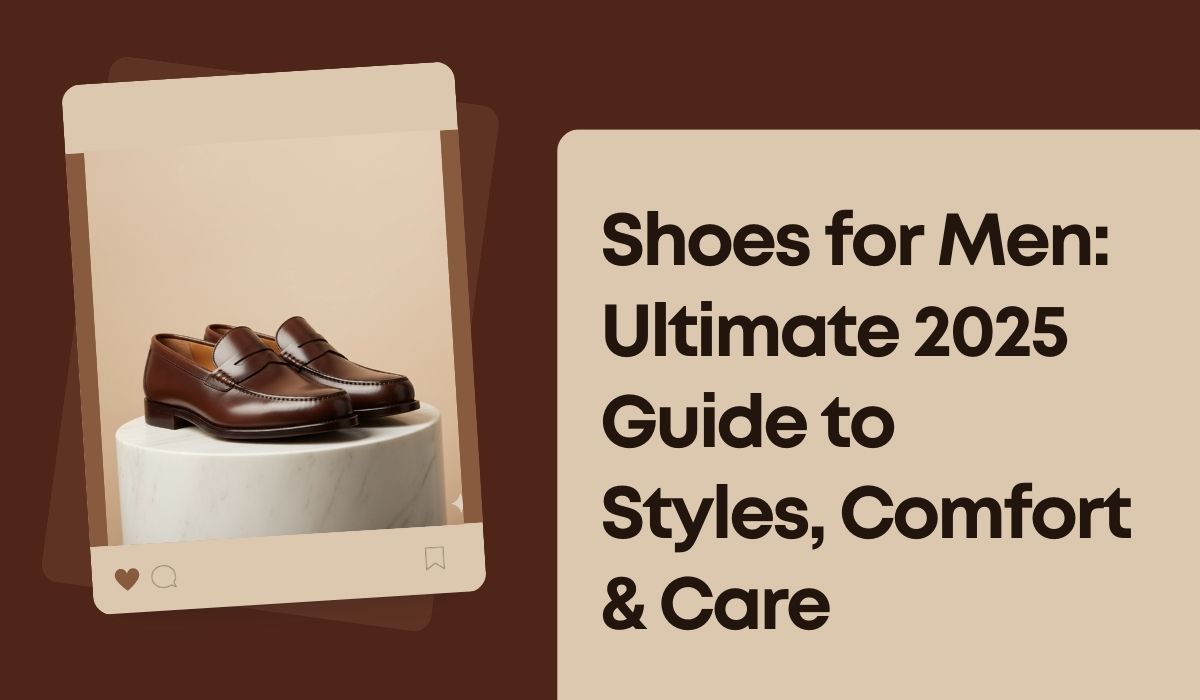
Men’s shoes aren’t just functional—they’re a statement of personality, style, and confidence. From boardrooms to weekend outings, the right pair of shoes can elevate your look, improve comfort, and even boost your self-esteem. But with countless styles, materials, and fits, choosing the perfect pair can feel overwhelming.
Key Takeaways:
- Versatility Matters: Different shoes serve different occasions—formal, casual, or sporty.
- Comfort Is King: Quality materials and proper fit prevent foot problems.
- Style Reflects Personality: Shoe design, color, and brand influence first impressions.
- Durability Saves Money: Investing in premium shoes reduces long-term replacement costs.
- Maintenance Is Essential: Proper care ensures longevity and keeps shoes looking fresh.
What Are the Most Popular Types of Shoes for Men?
Understanding the key styles is the first step in building a versatile shoe collection. Here’s a quick guide:
| Shoe Type | Best For | Style Notes | Durability |
|---|---|---|---|
| Oxford | Formal events, office | Sleek, closed-lace design | High |
| Derby | Business casual | Open-lace design, slightly relaxed | High |
| Loafers | Casual, semi-formal | Slip-on, minimal laces | Medium |
| Sneakers | Everyday wear, casual outings | Comfort-focused, sporty | Medium |
| Boots | Outdoor, winter, casual | Leather or suede, ankle-high | High |
| Monk Strap | Formal to semi-formal | Buckle instead of laces | Medium-High |
Expert Tip: For maximum versatility, every man should own at least one pair of Oxfords, Loafers, and Sneakers.
How to Choose the Right Shoes for Men?
Choosing the right shoe is about balancing comfort, style, and occasion. Here’s how:
- Understand Your Purpose: Formal shoes for office and events; casual shoes for weekends.
- Consider Foot Shape: Narrow, wide, or high-arched feet need specific fits.
- Material Matters: Genuine leather, suede, and canvas have different lifespans and aesthetics.
- Check the Sole: Rubber soles for comfort and grip; leather soles for elegance.
- Prioritize Fit: Shoes should allow toe movement but feel secure.
Real-Life Example:
Rahul, a 32-year-old marketing professional, struggled with foot pain wearing cheap formal shoes. After switching to handcrafted Oxfords with cushioned insoles, he noticed improved posture, comfort, and confidence during meetings.
How Should Men Care for Their Shoes?
Proper maintenance ensures longevity and style.
- Clean Regularly: Wipe leather with a damp cloth; brush suede gently.
- Condition Leather: Use quality shoe cream to prevent cracking.
- Rotate Shoes: Avoid wearing the same pair daily to let materials breathe.
- Use Shoe Trees: Preserve shape and prevent creases.
- Store Properly: Keep in dust bags or boxes in a cool, dry place.
Expert Insight: Neglecting care can reduce shoe life by up to 50%.
Which Shoes Are Best for Work, Casual, and Formal Settings?
Work/Office Shoes: Oxfords, Derbys, Monk Straps
Casual Shoes: Loafers, Sneakers, Casual Boots
Formal Events: Oxfords, Patent Leather Shoes, Monk Straps
Comparison Table – Occasion vs Style:
| Occasion | Recommended Shoes | Style Notes | Comfort Level |
|---|---|---|---|
| Office/Work | Oxford, Derby | Classic, professional | High |
| Casual Outings | Sneakers, Loafers | Relaxed, versatile | Medium-High |
| Formal Events | Oxfords, Monk Strap | Elegant, polished | Medium |
| Outdoor/Travel | Boots, Sneakers | Durable, supportive | High |
What Are the Latest Trends in Men’s Shoes 2025?
- Sustainable Materials: Eco-leather, recycled soles.
- Minimalist Sneakers: Clean lines, neutral colors.
- Statement Boots: Bold colors, textures, and unique designs.
- Hybrid Shoes: Combines formal look with sneaker comfort.
- Smart Shoes: Insoles that track steps and posture.
How Do You Match Shoes with Outfits?
The right pair of shoes can make or break your outfit. Consider:
- Formal Attire: Black or brown Oxfords with suits.
- Business Casual: Loafers or Derbys with chinos and dress shirts.
- Casual Wear: Sneakers with jeans or joggers.
- Seasonal Choices: Boots in winter, canvas shoes in summer.
Pro Tip: Coordinate your belt and shoe color for a polished look.
Why Comfort Should Never Be Compromised
Fashion is important, but discomfort can ruin your day. Here’s why comfort matters:
- Prevents foot pain and posture issues.
- Reduces long-term joint problems.
- Boosts confidence because you can walk and stand with ease.
Expert Insight: Ergonomic soles, cushioned insoles, and breathable materials are key for all-day comfort.
Sustainable Shoes: The Future of Men’s Footwear
Eco-conscious fashion is trending, and sustainable shoes are no exception.
- Made from recycled leather or rubber, reducing environmental impact.
- Vegan alternatives for ethical choices.
- Durable materials reduce the need for frequent replacement.
Real-Life Example: Aditya switched to eco-leather sneakers and noticed both comfort and a reduced carbon footprint.
How to Break in New Shoes Without Pain
New shoes often feel stiff. Here’s how to break them in properly:
- Wear them for short periods at home initially.
- Use shoe stretchers or thick socks to expand the material gently.
- Apply leather conditioner to soften stiff shoes.
- Walk on carpeted surfaces first before wearing outdoors.
Expert Tip: Never force tight shoes; it may damage the structure.
Common Mistakes Men Make When Buying Shoes
Avoid these pitfalls:
- Buying shoes that don’t fit properly.
- Choosing style over function for long-term wear.
- Neglecting shoe care and maintenance.
- Ignoring occasion-specific requirements.
Quote: “Your shoes are often the first thing people notice—invest wisely.”
Best Materials for Durable Shoes for Men
When choosing shoes for men, material quality matters. Leather, suede, canvas, and synthetic blends are most common.
- Leather Shoes for Men: Premium leather ensures durability and elegance. Perfect for Oxfords and formal shoes for men.
- Suede Shoes for Men: Soft texture ideal for loafers and casual shoes for men; requires careful maintenance.
- Canvas Shoes for Men: Lightweight and breathable; great for sneakers and casual shoes for men.
- Synthetic Shoes for Men: Affordable and versatile; often used for sports and gym shoes for men.
Expert Tip: Always check the material label before buying shoes for men to ensure long-lasting wear.
Sneakers vs. Formal Shoes: When to Wear What
Choosing the right type of shoe is crucial for both style and comfort.
| Shoe Type | Best For | Key Tip |
|---|---|---|
| Sneakers | Casual outings, travel, weekend wear | Keep colors neutral for versatility |
| Formal Shoes | Office, business meetings, weddings | Stick to classic shades like black or brown |
| Hybrid Shoes | Smart casual events | Combine comfort of sneakers with polished look of formal shoes |
Expert Insight: Never wear sneakers to formal events; it breaks dress codes and can look unpolished.
How to Style Shoes for Men with Modern Outfits
Modern fashion demands the right pair of shoes for men to complement outfits.
- With Jeans: Sneakers or casual shoes for men create a relaxed, stylish look.
- With Chinos: Loafers or Derbys are ideal shoes for men to maintain semi-formal elegance.
- With Suits: Oxfords, Monk straps, or patent leather shoes for men elevate formal wear.
- Weekend Outfits: Boots or canvas shoes for men add personality without compromising comfort.
Pro Tip: Matching shoes for men with belt color creates a cohesive look.
Foot Health Tips for Shoes for Men
Wearing proper shoes for men isn’t just about style—it protects your feet.
- Choose shoes for men with cushioned insoles.
- Avoid too-tight shoes for men that restrict movement.
- Breathable shoes for men prevent sweat and odor.
- Rotate shoes for men to prevent wear and foot fatigue.
Real-life Example: Many men switching to ergonomic shoes for men notice reduced foot pain and better posture.
Trending Colors and Patterns in Men’s Shoes 2025
Colors and patterns can make shoes stand out or complement an outfit:
- Classic Shades: Black, brown, tan—timeless and versatile.
- Bold Colors: Burgundy, navy, olive for statement looks.
- Patterns & Textures: Brogue detailing, perforations, suede finishes for added style.
- Seasonal Picks: White sneakers in summer, dark boots in winter.
Expert Tip: Start with classics, then experiment with bold colors once you have wardrobe confidence.
FAQs
Q1: How often should I replace my shoes?
A: Depending on use, formal shoes every 2–3 years, casual sneakers every 1–2 years.
Q2: Are expensive shoes always better?
A: Not necessarily; quality, material, and fit matter more than brand.
Q3: How can I make shoes last longer?
A: Rotate pairs, use shoe trees, clean regularly, and condition leather.
Q4: What color shoes go with navy suits?
A: Brown, oxblood, or black shoes complement navy suits perfectly.
Q5: Can sneakers be worn with formal outfits?
A: Only minimalist, clean-design sneakers with tailored pants for modern business casual looks.
Final Thoughts
Investing in the right shoes for men goes beyond fashion—it’s about confidence, comfort, and lifestyle. A well-curated shoe collection allows you to express your personality, suit every occasion, and protect your feet. Start with classic Oxfords, versatile loafers, and reliable sneakers, and build from there.
Explore premium options and elevate your style today at Dhawan Suits.