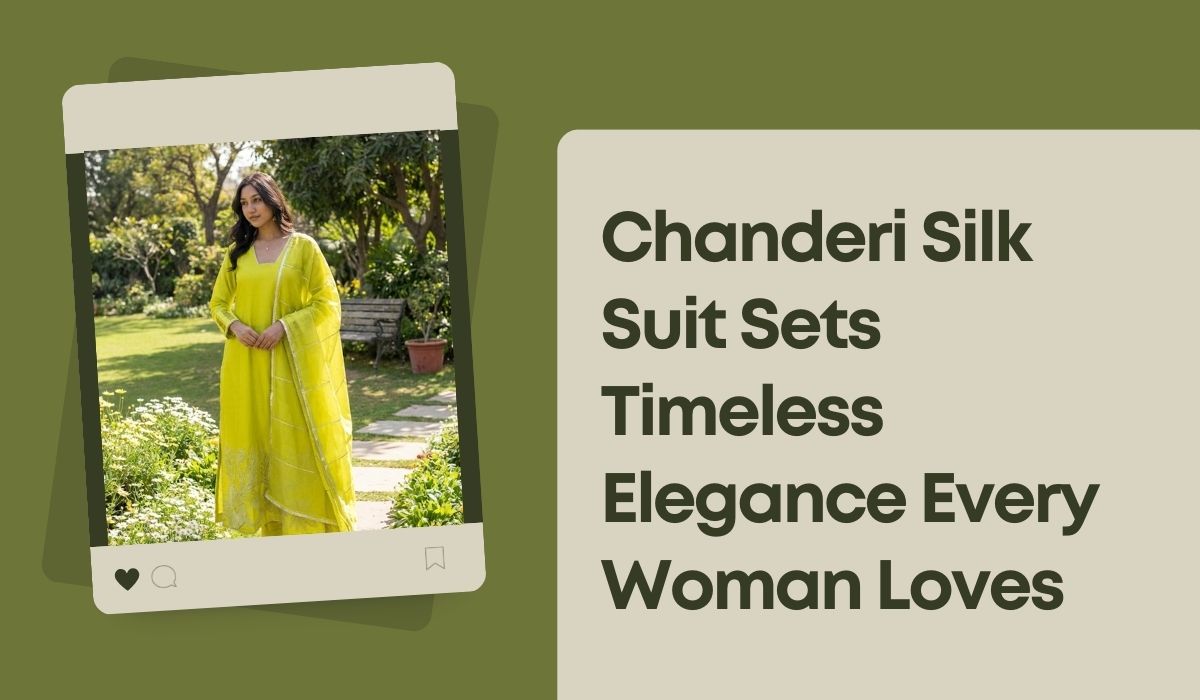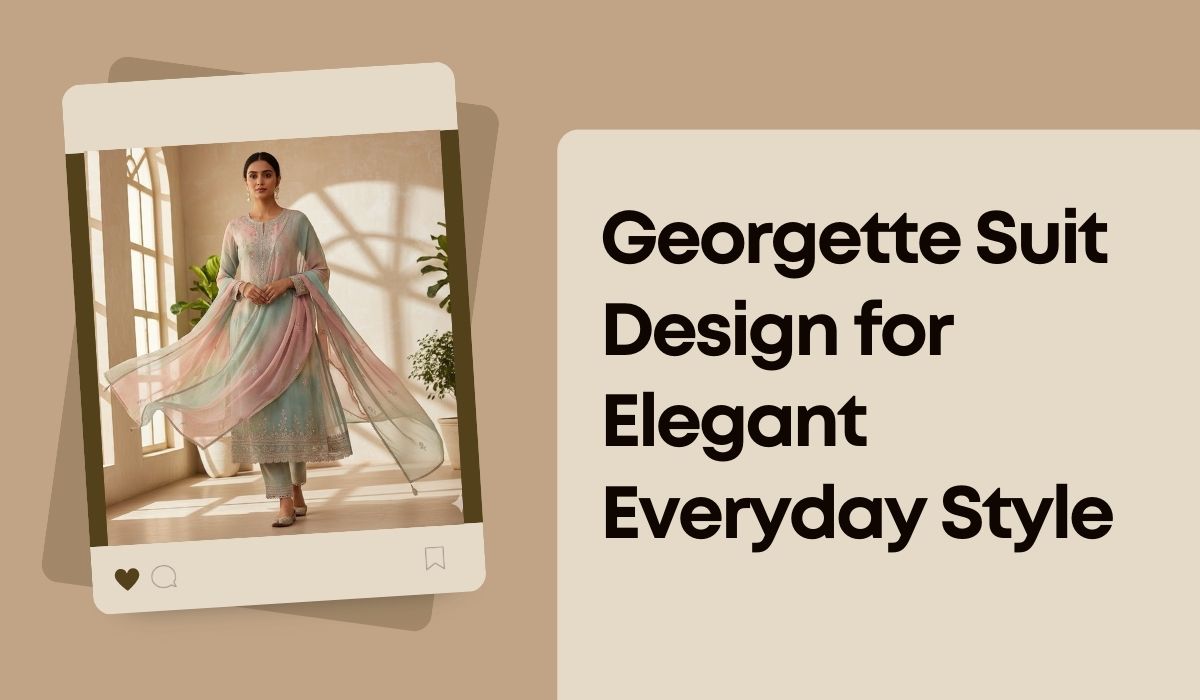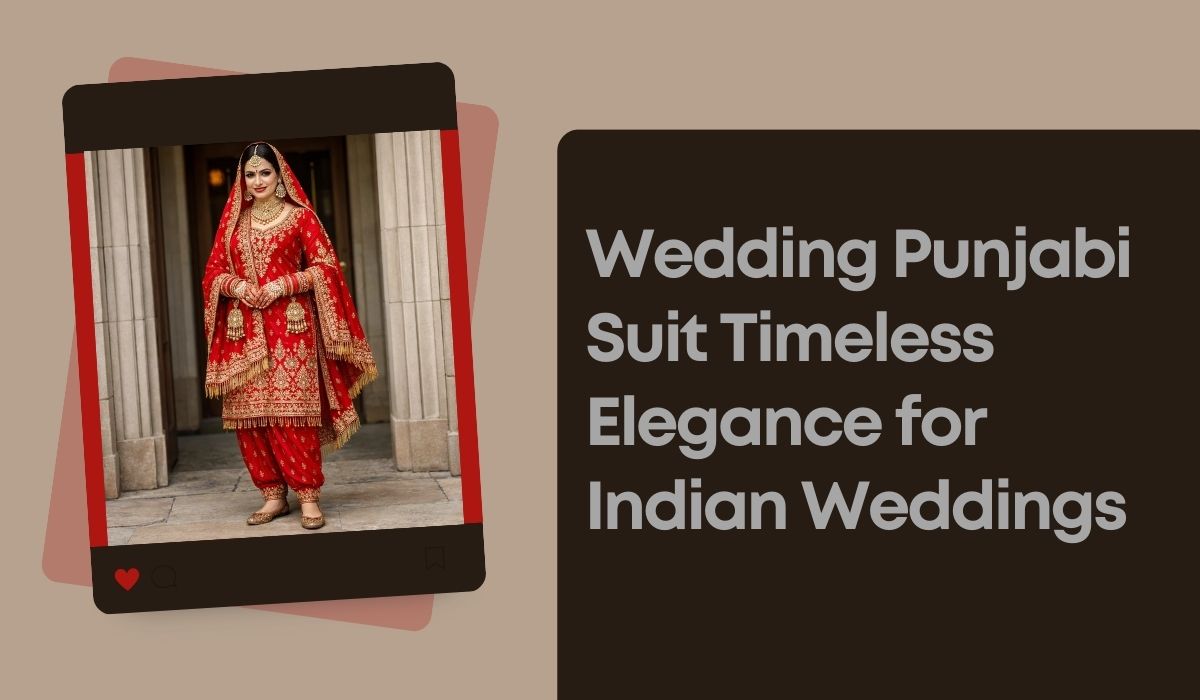
A wedding is not just a ceremony. It is memory, emotion, tradition, and identity woven together. When it comes to Punjabi weddings, the outfit is not chosen lightly. It must celebrate culture, flatter the body, survive long rituals, and still look breathtaking in photographs years later. That is exactly why the wedding punjabi suit continues to hold a powerful place in bridal and festive fashion.
This attire is not about trends alone. It is about confidence, comfort, and cultural pride stitched into every thread.
Key Takeaways
• A wedding punjabi suit blends heritage with modern elegance
• It solves comfort, movement, and styling problems common in heavy wedding wear
• Fabric, fit, and embroidery matter more than price
• The right styling can make it bridal or guest appropriate
• It works across age groups, body types, and wedding functions
What exactly is a wedding punjabi suit and why is it so special?
A wedding punjabi suit is a traditional North Indian ensemble that includes a kurta, salwar or churidar, and a dupatta, designed specifically for wedding occasions. What makes it special is its balance.
It offers richness without suffocation. It offers tradition without stiffness. It allows a woman to sit, stand, dance, hug relatives, and move freely through long ceremonies without constantly adjusting her outfit.
Unlike many bridal outfits that demand sacrifice in comfort, this attire respects the wearer.
As one designer from Punjab once said,
“The best wedding outfit is the one that lets a bride smile naturally because nothing hurts or pulls.”
Why do brides still choose this outfit over lehengas or gowns?
Many brides today are moving away from extremely heavy silhouettes. The wedding punjabi suit answers multiple problems brides face.
• Lehengas can feel heavy after a few hours
• Gowns can restrict movement during rituals
• Sarees need constant management
A well stitched Punjabi suit allows ease without losing grandeur. Brides who value grace over drama often find this outfit more aligned with their personality.
Another reason is emotional. For many families, this attire is linked to mothers, grandmothers, and ancestral weddings. Wearing it feels like carrying blessings forward.
What fabrics work best for a wedding punjabi suit?
Fabric choice can make or break the entire look and experience of a wedding punjabi suit.
Here are the most trusted options.
• Silk and raw silk for rich traditional appeal
• Velvet for winter weddings and royal aesthetics
• Georgette and chiffon for lighter ceremonies
• Cotton silk blends for comfort with shine
• Organza for a modern structured look
Heavier fabrics hold embroidery better, while lighter fabrics work beautifully for daytime functions.
How does embroidery impact the overall look?
Embroidery is the soul of a wedding punjabi suit. It tells the story of craftsmanship.
Common embroidery styles include
• Phulkari for authentic Punjabi roots
• Zardozi for regal depth
• Gota work for festive shimmer
• Thread embroidery for elegant simplicity
• Mirror work for playful vibrancy
The key is balance. Too much embroidery can overpower the wearer. Strategic detailing on the neckline, hem, and dupatta enhances beauty without clutter.
Is this outfit suitable for all wedding functions?
Yes, and that is one of its biggest strengths. A wedding punjabi suit adapts effortlessly across events.
• Light embroidered suits for haldi and mehendi
• Bright colors for sangeet and engagement
• Heavy embellished versions for wedding day
• Elegant pastel tones for reception
By changing fabric, color, and styling, the same silhouette transforms completely.
What colors are most popular and why?
Color plays an emotional role in Punjabi weddings. The wedding punjabi suit traditionally celebrates vibrancy.
Popular choices include
• Red for auspicious bridal energy
• Maroon and wine for depth and royalty
• Mustard and yellow for joyful ceremonies
• Emerald and bottle green for elegance
• Pastels for modern minimal weddings
While red remains iconic, many brides now choose softer tones that photograph beautifully in natural light.
How important is fit in a wedding outfit like this?
Fit is everything. Even the most expensive wedding punjabi suit can look ordinary if it does not fit well.
Key fit elements to focus on
• Kurta length should complement height
• Sleeves must allow easy arm movement
• Salwar or churidar should not bunch awkwardly
• Dupatta drape should feel secure, not heavy
A good tailor understands body proportions and enhances strengths rather than hiding them.
Can this outfit flatter different body types?
Absolutely. The wedding punjabi suit is one of the most inclusive silhouettes in Indian fashion.
• Straight cuts elongate petite frames
• A line kurtas balance pear shapes
• Flared salwars soften sharp lines
• Vertical embroidery creates height illusion
This versatility makes it ideal for brides, sisters, mothers, and guests alike.
How is it different from an Anarkali or salwar suit?
While often confused, a wedding punjabi suit has distinct characteristics.
| Feature | Punjabi Suit | Anarkali |
|---|---|---|
| Silhouette | Straight or slightly flared | Very flared |
| Comfort | High | Moderate |
| Movement | Easy | Restrictive |
| Cultural Roots | Punjabi | Mughal inspired |
| Styling Flexibility | Very high | Limited |
The Punjabi suit focuses on wearability along with beauty.
What jewelry pairs best with this outfit?
Jewelry should enhance, not overpower, a wedding punjabi suit.
• Heavy jhumkas for traditional charm
• Maang tikka for bridal elegance
• Chokers for modern balance
• Bangles or kadas for cultural touch
Avoid over layering. One statement piece often makes a stronger impact than many small ones.
How should the dupatta be styled?
The dupatta defines grace in a wedding punjabi suit.
Popular drapes include
• Over the head for traditional weddings
• One shoulder flow for receptions
• Double dupatta style for bridal grandeur
• Pleated front drape for comfort
A well pinned dupatta gives confidence throughout long ceremonies.
What footwear works best with this attire?
Comfortable footwear is essential when wearing a wedding punjabi suit.
• Juttis for tradition and comfort
• Block heels for height with stability
• Embellished sandals for lighter events
Avoid extremely high heels unless you are used to wearing them for long hours.
Is this outfit appropriate for modern brides?
Modern brides value authenticity. The wedding punjabi suit offers a perfect canvas to express individuality.
Minimal embroidery, muted colors, contemporary cuts, and thoughtful styling can make this outfit look refreshingly modern while staying rooted.
Common mistakes people make while buying this outfit
Many buyers focus only on appearance and forget practicality.
Common errors include
• Choosing fabric without considering weather
• Ignoring comfort during long rituals
• Overdoing embroidery
• Poor dupatta length selection
A wedding outfit should serve you, not control you.
Why does this attire photograph so beautifully?
The structure, colors, and flow of a wedding punjabi suit create natural elegance in photographs.
It captures movement, expressions, and emotions effortlessly. Unlike stiff outfits, it allows the wearer to look relaxed, which always translates into better pictures.
Is it worth investing in a high quality version?
Yes. A well made wedding punjabi suit is not a one time outfit.
It can be restyled for future weddings, festivals, and family functions. Quality fabric and craftsmanship age gracefully, making it a sustainable fashion choice.
Frequently Asked Questions
1. Is this outfit suitable for both brides and wedding guests?
Yes. With heavier embroidery and rich fabrics it works beautifully for brides, while lighter versions are perfect for sisters, relatives, and close guests.
2. Can it be worn in summer weddings without discomfort?
Absolutely. Breathable fabrics like georgette, cotton silk, and chiffon keep the body cool while still looking festive and elegant.
3. How early should I buy my wedding outfit?
Ideally 2 to 3 months in advance. This allows time for fittings, alterations, and matching accessories without last minute stress.
4. Does this style work for all age groups?
Yes. Teenagers, young brides, and mature women all wear it confidently because the silhouette is graceful, adjustable, and age inclusive.
5. How do I choose the right embroidery level?
For daytime functions, light thread or phulkari work looks best. For evening or main ceremonies, richer embroidery like zardozi or gota adds depth.
Final Thoughts
Fashion trends change, but emotion does not. The wedding punjabi suit survives generations because it understands women.
It respects their comfort.
It celebrates their culture.
It enhances rather than overwhelms.
In a world chasing constant novelty, this outfit remains powerful by staying true to its roots.
When you wear it, you do not just dress for a wedding.
You dress for memories that last a lifetime.
Explore premium wedding Punjabi suits crafted for comfort, culture, and timeless elegance at Dhawan Suits.