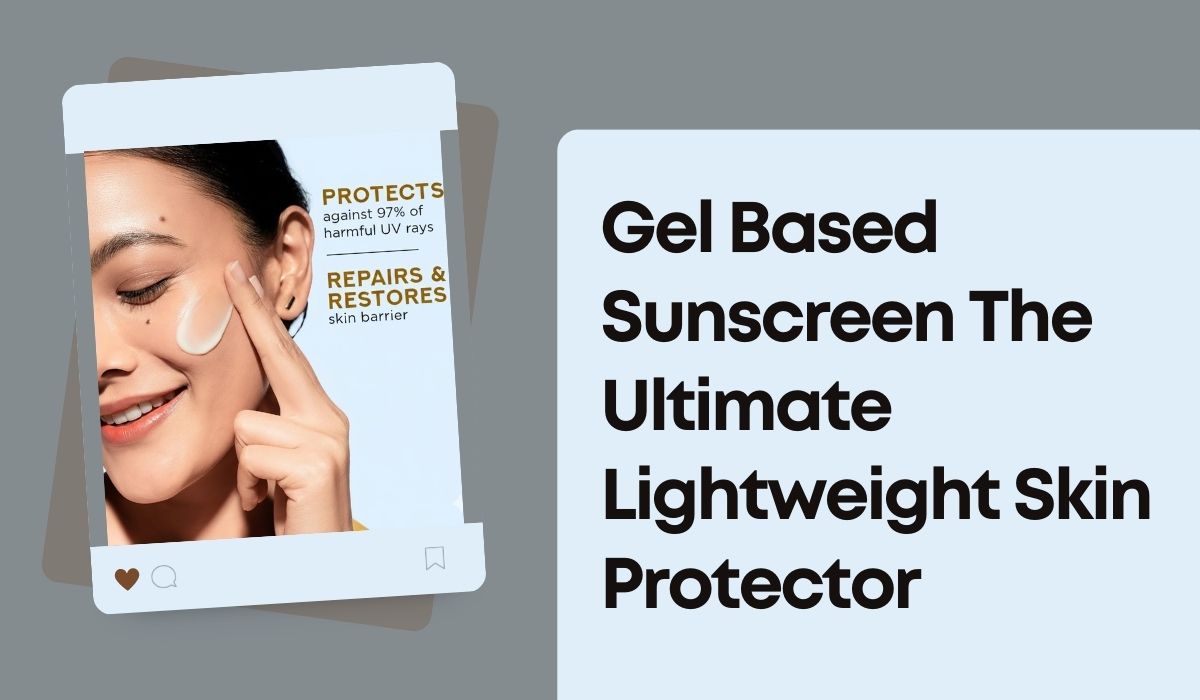
Sun protection is non-negotiable, but heavy, greasy sunscreens can feel like a chore to apply. What if your sunscreen felt weightless, absorbed instantly, and left your skin refreshed rather than sticky? Enter gel based sunscreen a game-changer in daily skincare routines. From oily to combination skin, these formulas promise maximum protection without compromising comfort or style.
Key Takeaways
• Lightweight and fast-absorbing formula ideal for all skin types
• Provides broad-spectrum UVA and UVB protection
• Non-greasy finish prevents clogged pores and breakouts
• Hydrating ingredients help maintain skin moisture throughout the day
• Perfect base for makeup, leaving no white cast or residue
What Makes Gel Based Sunscreen Different From Creams or Lotions
Unlike traditional cream or lotion sunscreens, gel formulations are water-based, lighter, and often enriched with hydrating and soothing ingredients. They spread easily and absorb quickly, leaving no sticky residue, which makes them perfect for oily, acne-prone, and combination skin.
Why choose gel over cream?
| Feature | Gel Based Sunscreen | Cream/Lotion Sunscreen |
|---|---|---|
| Texture | Lightweight, gel-like | Thick, creamy |
| Absorption | Quick, non-greasy | Slow, can leave residue |
| Skin Type Suitability | Oily, combination, sensitive | Dry to normal |
| Makeup Friendly | Yes | Sometimes difficult |
| Hydration | Moderate, without heaviness | Can be heavy or oily |
Real-Life Example:
Priya, a 28-year-old working professional in Mumbai, struggled with oily skin and breakouts caused by traditional sunscreens. After switching to a gel based sunscreen, she noticed her skin stayed matte and comfortable throughout long office hours while still receiving full sun protection.
Pro Tip: Gel sunscreens are also ideal for humid climates or busy mornings because they absorb in seconds, making your skincare routine faster and easier.
Why Gel Based Sunscreen Is Essential for Daily Skincare
Even a few minutes of sun exposure daily can damage your skin, leading to premature aging, dark spots, pigmentation, and uneven texture. Gel based sunscreen not only shields your skin from harmful UVA and UVB rays but also nourishes it with hydrating and antioxidant-rich ingredients.
Key ingredients to look for:
- Aloe Vera: Soothes skin and reduces redness
- Hyaluronic Acid: Retains moisture without heaviness
- Antioxidants (Vitamin E, Green Tea Extract): Protects from free radical damage
- Non-comedogenic UV Filters: Prevent clogged pores and breakouts
Tip: Even if you’re indoors most of the day, windows let in UVA rays. Applying gel sunscreen in the morning helps prevent long-term damage.
How to Apply Gel Based Sunscreen for Maximum Effectiveness
Correct application is crucial. Many people apply too little or layer it incorrectly, reducing its protective effect.
Step-by-step guide:
- Cleanse your face and pat dry
- Take a pea-sized amount and dot across your face
- Spread gently in upward strokes, including neck and ears
- Wait 5–10 minutes before makeup application
- Reapply every 2–3 hours if outdoors, sweating, or after swimming
Pro Tip: Layering a moisturizer underneath is optional, as many gel-based sunscreens provide light hydration. For dry skin, combine with a lightweight serum for optimal results.
Types of Gel Based Sunscreens
Gel-based sunscreens come in different types, each designed for specific needs:
1. Matte Gel Sunscreens: Absorbs oil, prevents shine, perfect for oily and combination skin.
2. Hydrating Gel Sunscreens: Contains hyaluronic acid or glycerin for lightweight hydration, ideal for dry skin.
3. Mineral Gel Sunscreens: Contains zinc oxide or titanium dioxide for sensitive skin; often fragrance-free.
4. Antioxidant-Enriched Gel Sunscreens: Combines UV protection with skin repair ingredients like vitamin E or green tea extract.
5. Tinted Gel Sunscreens: Offers light coverage, evens skin tone, and prevents white cast.
Expert Insight: Choosing the right type depends on your skin type and lifestyle. For example, a matte gel sunscreen works well for daily office wear, while antioxidant-enriched gels are ideal for long outdoor activities.
Is Gel Based Sunscreen Suitable for All Skin Types
Oily Skin: Absorbs quickly, controls shine, reduces breakouts
Dry Skin: Provides light hydration; pair with serum for extra moisture
Sensitive Skin: Fragrance-free, non-comedogenic, reduces irritation
Combination Skin: Balances oil and hydrates dry areas
Real-Life Example:
Ananya, 24, struggled with redness from chemical sunscreens. Switching to a fragrance-free gel-based sunscreen eliminated irritation while keeping her skin protected.
Can Gel Based Sunscreen Replace Your Moisturizer
Many gel-based sunscreens include humectants and light hydration. For oily and combination skin, they often replace your morning moisturizer. However, extremely dry skin may need a lightweight moisturizer beneath for optimal comfort.
Expert Quote:
“Gel based sunscreens are a revolution for daily skincare. They remove the barriers of stickiness and discomfort, making sun protection effortless and enjoyable.” – Dr. Neha Sharma, Dermatologist
Common Myths About Gel Based Sunscreen
Myth 1: Gel formulas are only for summer
Fact: Gel-based sunscreen is effective year-round, protecting against harmful UVA and UVB rays.
Myth 2: They don’t provide enough hydration
Fact: Modern gel formulas include hyaluronic acid or glycerin for balanced hydration.
Myth 3: Only oily skin can use gel sunscreen
Fact: Suitable for all skin types when the formula matches your skin needs.
Gel Based Sunscreen vs Other Types
| Type | Pros | Cons |
|---|---|---|
| Gel Based | Lightweight, absorbs fast, matte finish | May feel light for extremely dry skin |
| Cream | Deep hydration, rich texture | Heavy, may cause breakouts |
| Spray | Convenient, quick coverage | Hard to measure, uneven application |
| Stick | Travel-friendly, precise | Can be drying, limited coverage |
How Often Should You Reapply Gel Based Sunscreen
Even lightweight gel sunscreens lose effectiveness over time. Dermatologists recommend:
- Reapply every 2–3 hours outdoors
- Immediately after sweating, swimming, or wiping your face
- Daily, even indoors, especially near windows
Pro Tip: Carry a small travel-size gel sunscreen for easy reapplication during the day.
Can Gel Based Sunscreen Be Used Under Makeup
Yes! Its lightweight, non-greasy texture makes it an excellent primer. Gel sunscreens prevent makeup from sliding or caking, unlike thick creams.
Tip: Pat gently and wait 2–3 minutes for absorption before foundation or concealer.
Are Gel Based Sunscreens Safe for Sensitive Skin
Most gel-based sunscreens are non-comedogenic, hypoallergenic, and dermatologist-tested. Look for:
- Fragrance-free formulas
- Mineral UV filters like zinc oxide or titanium dioxide
- Added antioxidants for gentle skin repair
How to Choose the Right Gel Based Sunscreen
Consider these factors:
- SPF Rating: Minimum SPF 30 for daily use
- Broad-Spectrum Protection: UVA + UVB
- Water Resistance: Essential for sports or outdoor activities
- Ingredients: Aloe Vera, Hyaluronic Acid, Antioxidants
- Skin Type Compatibility: Pick according to oily, dry, sensitive, or combination skin
Comparison Table:
| Product | SPF | Skin Type | Special Feature | Price Range |
|---|---|---|---|---|
| Brand A Gel | 30 | Oily/Combination | Matte finish, lightweight | Mid-range |
| Brand B Gel | 50 | Sensitive | Fragrance-free, hydrating | Premium |
| Brand C Gel | 35 | All | Antioxidant-rich, non-greasy | Budget-friendly |
FAQs
Q1: Can I use gel based sunscreen on my body?
A1: Yes, but for larger areas, lotions or sprays are more convenient.
Q2: Will gel sunscreen leave a white cast?
A2: Most modern gels absorb fully without leaving residue.
Q3: Is gel-based sunscreen water-resistant?
A3: Some formulas are. Always check packaging for water-resistance.
Q4: Can I layer makeup over gel-based sunscreen?
A4: Absolutely. It acts as a smooth base and prevents sliding.
Q5: How much gel sunscreen should I apply daily?
A5: A pea-sized amount for the face; adjust for neck and ears.
Expert Tips for Maximum Protection
- Apply before leaving the house, not after sun exposure
- Reapply even if indoors; UVA rays penetrate windows
- Combine with hats, sunglasses, and umbrellas for extra safety
- Store in a cool, dry place to maintain efficacy
Final Thoughts
Gel-based sunscreens combine skincare, sun protection, and convenience. They solve common sunscreen problems like greasiness, stickiness, and breakouts while offering modern ingredients that improve skin health. Lightweight textures encourage consistent use, which is the key to long-term skin protection.
Discover the best gel based sunscreens and other expert skincare guides at Dhawan Suits . Protect, hydrate, and glow effortlessly.